

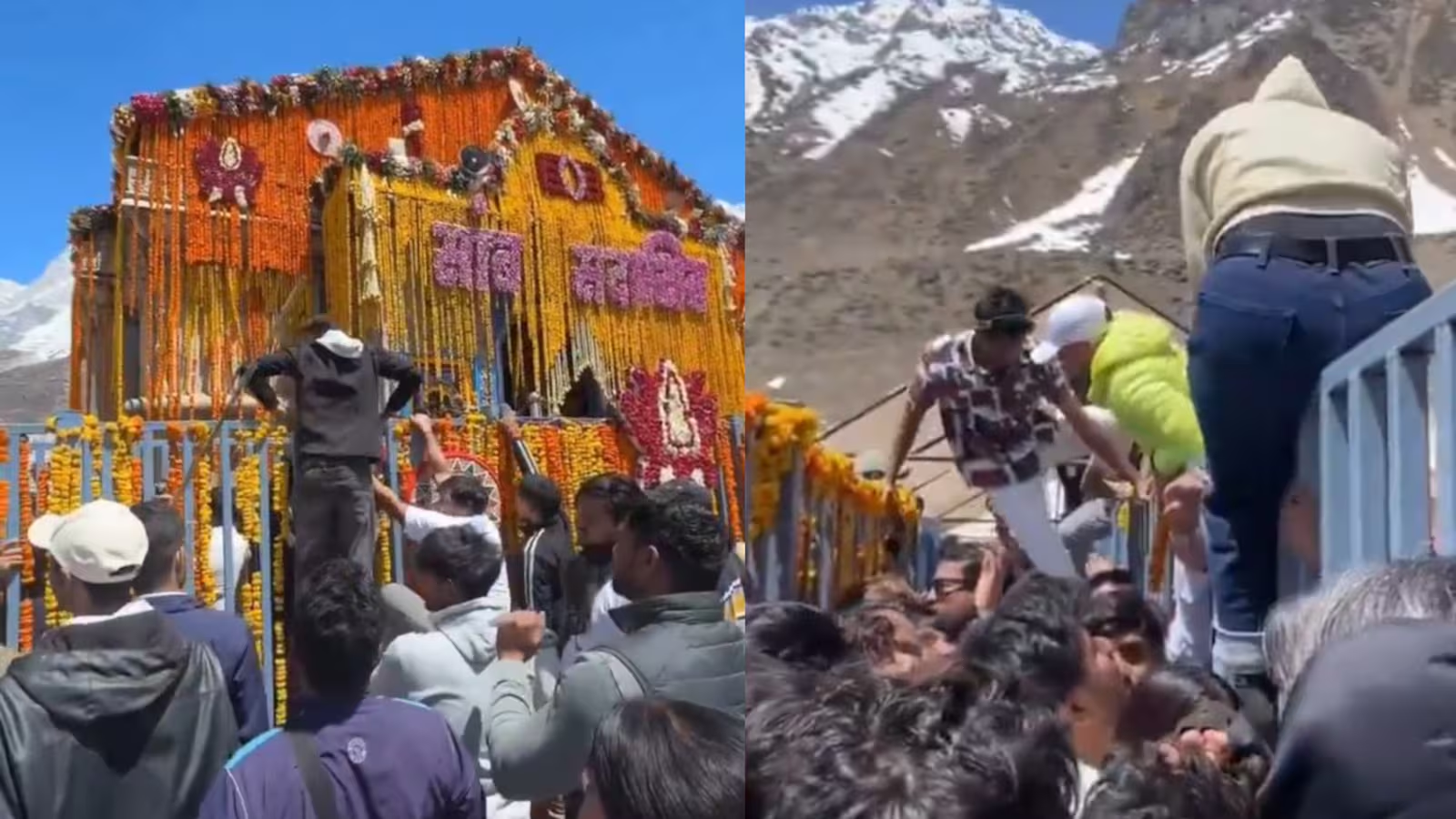
Heavy Rush at Kedarnath Temple Sparks Concerns Over Crowd Management todaynews360.in
Heavy Rush at Kedarnath Temple Raises Concerns Over Crowd Management
A massive surge of pilgrims has been witnessed at Kedarnath Temple following the reopening of the shrine for the 2026 pilgrimage season. The sudden influx of devotees has led to overcrowding, raising serious concerns about safety, crowd control, and administrative preparedness.
According to reports, thousands of devotees gathered at the temple premises within hours of its opening. Long queues stretched for several kilometers, with many pilgrims waiting for extended periods to offer prayers. Videos and images circulating on social media showed chaotic scenes, with people struggling to maintain order in densely packed areas.
Authorities in Uttarakhand had made prior arrangements, including the deployment of police personnel, installation of barricades, and implementation of token systems for regulated entry. However, the unexpectedly large turnout appears to have overwhelmed these measures. Multiple instances of crowd mismanagement were reported, including people breaking queues and ignoring safety guidelines.
The situation has triggered strong reactions online, with many criticizing the lack of effective planning and coordination. Concerns have been raised about whether adequate limits were placed on the number of daily visitors, especially given the temple’s location in a high-altitude and environmentally sensitive region.
Officials have responded by stating that additional security forces are being deployed and crowd control measures are being strengthened. They have also urged pilgrims to follow official guidelines and cooperate with authorities to ensure a safe and smooth pilgrimage.
Experts warn that overcrowding at religious sites like Kedarnath significantly increases the risk of accidents and puts immense pressure on local infrastructure, including roads, lodging facilities, and emergency services. The challenging terrain and unpredictable weather conditions further add to the risks.
The annual Char Dham Yatra, which includes Kedarnath, attracts hundreds of thousands of pilgrims every year. While the spiritual importance of the journey remains immense, the current situation highlights the urgent need for improved planning, better crowd monitoring systems, and stricter enforcement of visitor limits.
As the pilgrimage season progresses, authorities face the critical challenge of balancing religious devotion with public safety, ensuring that such overcrowding does not lead to serious incidents.
Also Read- UP Gets Major MGNREGA Fund Boost for Rural Jobs
About the Author