
Kenneth Juster Remark Sparks India Security Debate bollywoodlifes.in
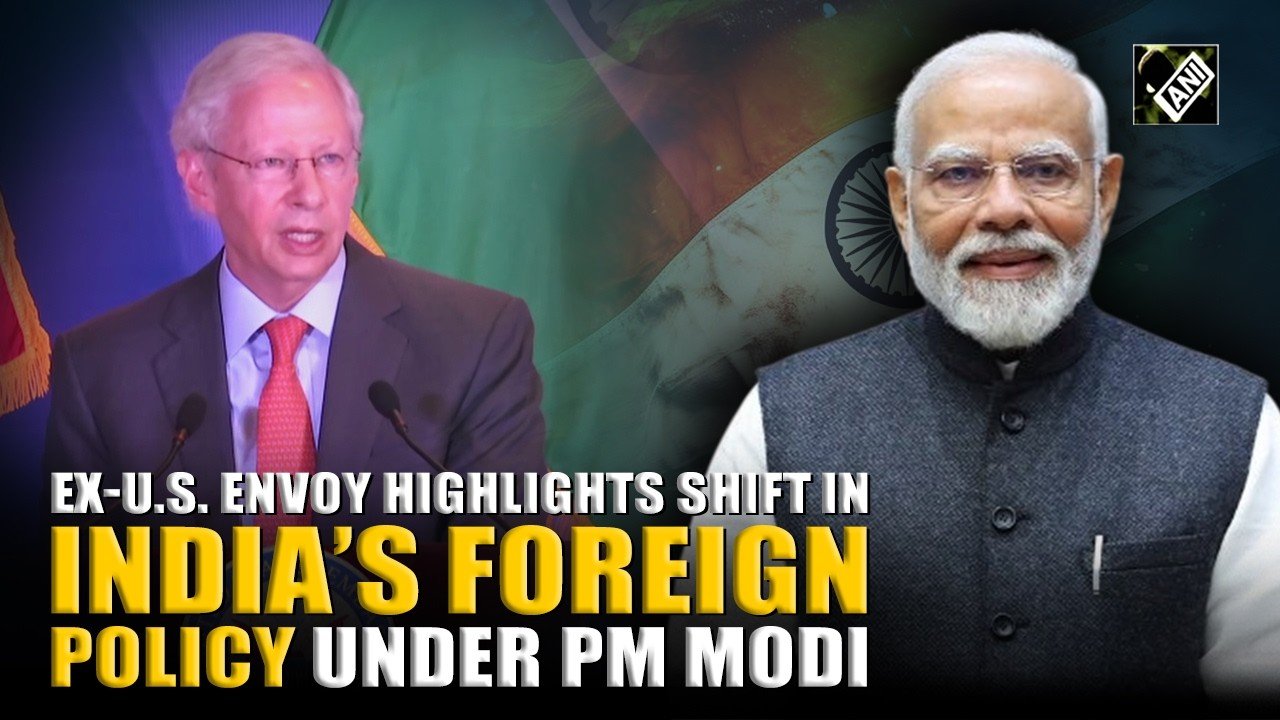
Former U.S. Ambassador Kenneth Juster recently made a significant statement at the Hudson Institute, sparking fresh debate on India–U.S.–Pakistan relations and the broader issue of counterterrorism strategy in South Asia.
Key Statement and Its Context
Speaking at the policy forum, Juster highlighted that the United States has, at times, adopted a relatively softer stance toward Pakistan, particularly due to its strategic interests in the region. According to him, this approach could have serious implications for India’s national security posture. He warned that in the future, India might face pressure—direct or indirect—to restrain its response to terrorist attacks originating from across the border.
This remark comes at a time when global geopolitical priorities are shifting, with the U.S. balancing its interests between South Asia, China, and ongoing conflicts in other regions.
🇮🇳 Impact on India’s Security Strategy
Juster observation suggests a challenging scenario for India. In the past, India has responded strongly to terror attacks, including surgical strikes and air operations. However, if global powers—especially Washington—prioritize regional stability over confrontation, India’s room for aggressive retaliation could narrow.
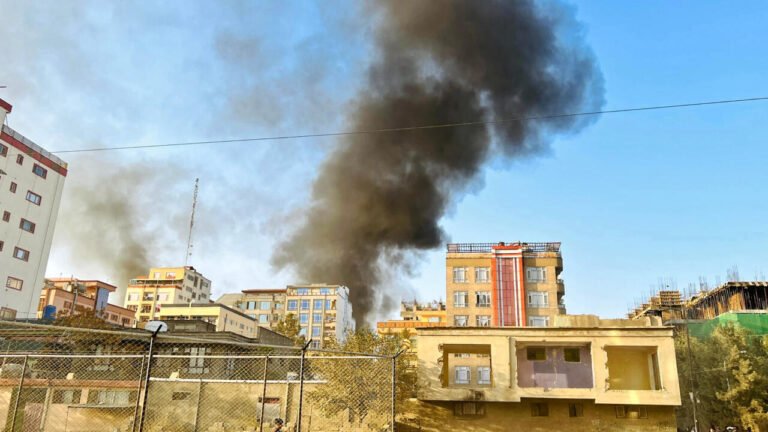
Incidents like attacks in sensitive areas such as Pahalgam have historically triggered strong responses and national outrage. The concern now is whether similar future incidents would see a more restrained approach due to diplomatic pressure.
U.S. Foreign Policy and Pakistan Factor
The United States has long maintained a complex relationship with Pakistan, driven by security, military, and geopolitical considerations. Even during the tenure of Donald Trump, when ties with India were publicly strong, Washington did not completely disengage from Islamabad.
Juster’s comments indicate that this balancing act continues, and it may not always align fully with India’s expectations on counterterrorism cooperation.
Debate Over India’s Diplomacy
The remarks have also triggered political and strategic debate within India. Critics argue that under Prime Minister Narendra Modi, India projected a strong global image but may not have secured enough firm commitments from allies on core security concerns.
They claim that while diplomatic visibility increased, deeper strategic assurances—especially regarding cross-border terrorism—may not have been fully achieved. Supporters, however, argue that India’s global standing has improved significantly and that such challenges are part of complex international relations rather than policy failure.
Strategic Reality Check
Experts believe Juster’s statement should be seen as a caution rather than a conclusion. International diplomacy often requires balancing national interests with global alliances, and no country operates in complete isolation.
For India, the key challenge will be maintaining strategic autonomy—ensuring it can respond decisively to threats while managing relationships with major powers like the United States.
Conclusion
Kenneth Juster’s remarks have reignited discussion on whether India’s current diplomatic framework is strong enough to safeguard its security interests in a changing global order. The coming years will test how effectively India can navigate external pressures while preserving its right to act firmly against terrorism.
About the Author