

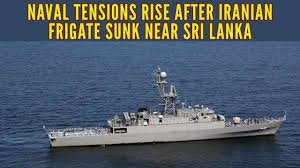
Indian Ocean Tension Rises After Iranian Warship Sinking Near Sri Lanka bollywoodlifes.in
News
The security situation in the Indian Ocean has become more sensitive after reports of an Iranian naval vessel sinking near the waters close to Sri Lanka. The incident has triggered discussions among regional defense experts and governments about maritime security and rising geopolitical tensions in the region.
According to early reports, the vessel belonged to the navy of Iran and was operating in international waters when the incident occurred. While the exact cause of the sinking is still under investigation, maritime analysts believe it could be linked to ongoing regional tensions and increased military movements in nearby waters.
The event has drawn particular attention in India, which plays a major strategic role in maintaining stability in the Indian Ocean region. The Indian Navy closely monitors maritime activities across the region because the sea route is vital for global trade and energy transportation.
Defense experts say that the Indian Ocean is one of the most important shipping corridors in the world. Nearly 40% of global trade passes through this region, making any military or security incident extremely significant for international markets and regional stability.
Following the incident, several countries have reportedly increased naval surveillance and intelligence monitoring in nearby waters. Strategic analysts believe such developments could lead to stronger naval cooperation between countries in Asia to ensure maritime safety.
Security experts also warn that if tensions continue to rise in surrounding regions, the Indian Ocean could see increased naval deployments, military exercises, and security patrols in the coming months.
For India, maintaining peace and security in this region remains a top priority, as any disruption could impact trade routes, energy supplies, and regional stability.
Also Read- 🇮🇳 India Launches Massive Solar Park to Boost Green Energy Mission
About the Author