
Full Detail (English News):
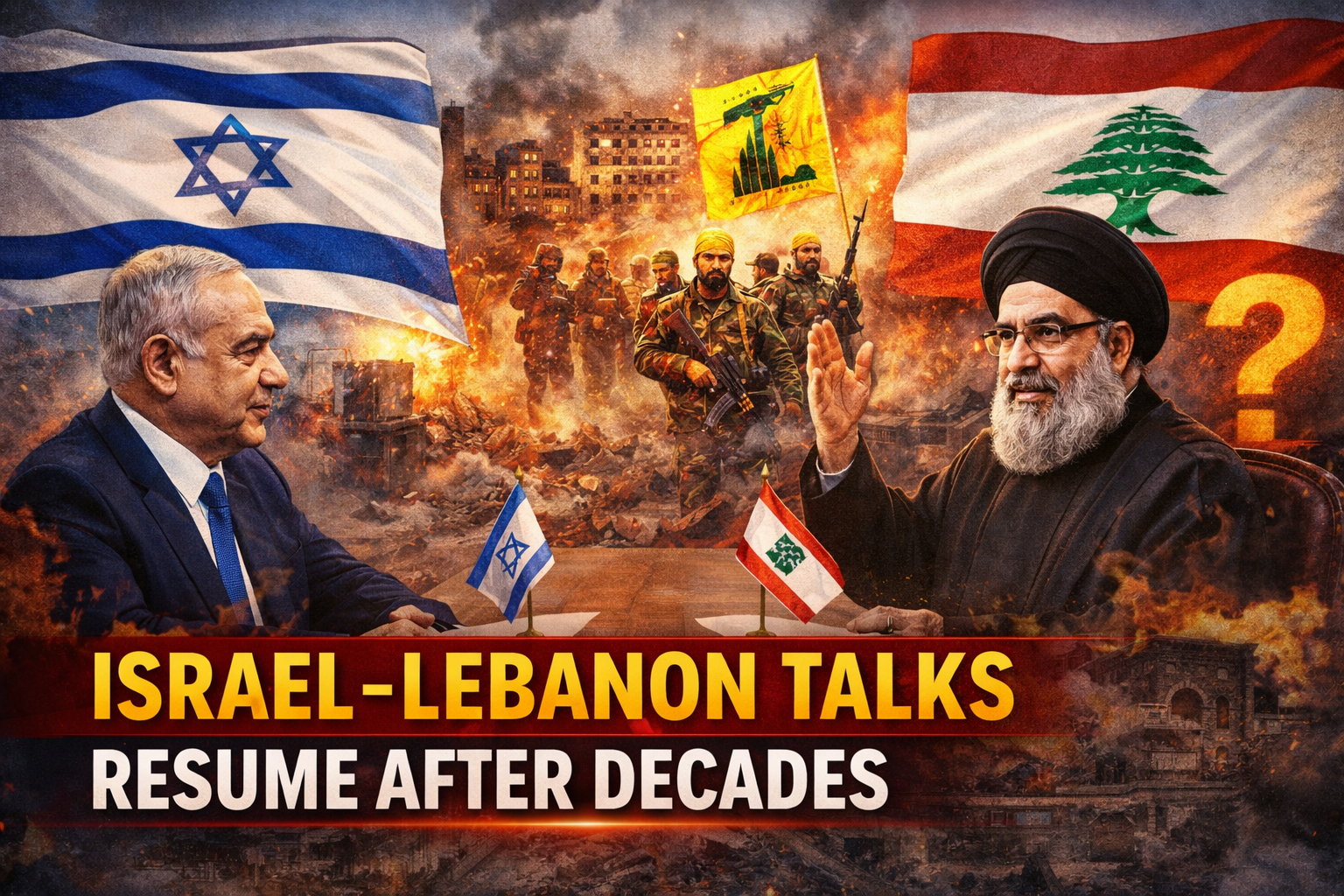
For the first time since 1993, direct talks have taken place between Israel and Lebanon, signaling a major geopolitical development in the Middle East.
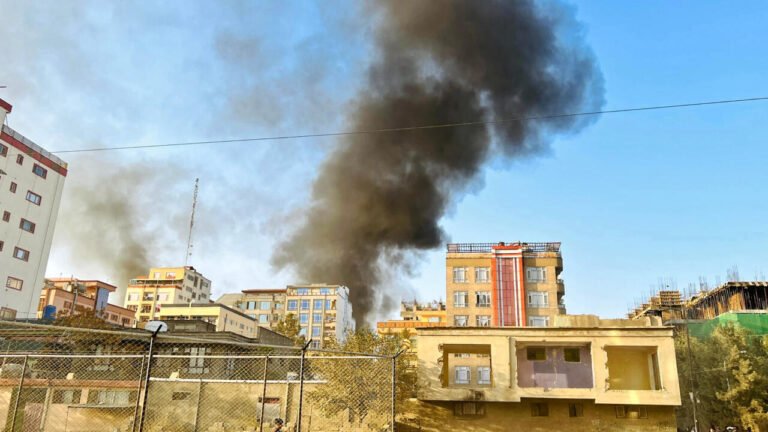
The discussions come in the backdrop of escalating conflict. On February 28, within hours of an alleged strike on Iran, Israel launched attacks on southern Lebanon—a region widely known as a stronghold of Hezbollah. Hezbollah, backed and funded largely by Iran, has long played a dual role as both a militant force and a political entity within Lebanon.
Hezbollah’s influence in Lebanon runs deep. The group holds positions within the government, including two cabinet ministers, making it nearly impossible for the Lebanese state to act against it directly. Financially, Hezbollah reportedly operates on a monthly budget of around $5 million, with nearly 80% of its funding coming from Iran, while the rest is generated through oil trade, financial networks, and other channels.
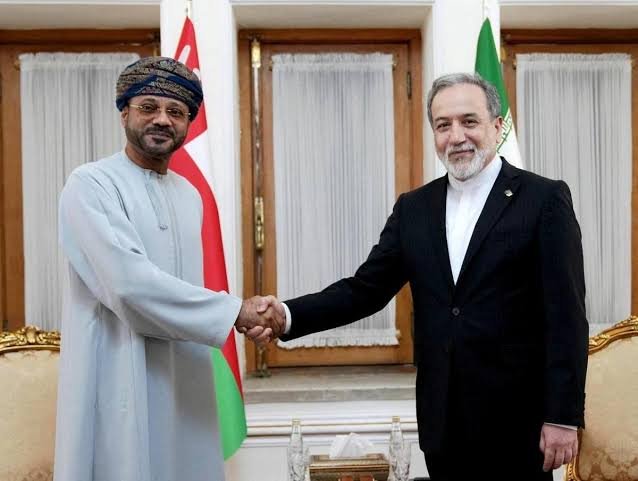
Despite the talks being described as “positive” by both sides after a 2.5-hour meeting in Washington, D.C., Hezbollah has distanced itself, stating it does not recognize or accept any agreement reached. This raises serious doubts about the effectiveness of any potential deal.
Analysts suggest that the talks may not be about peace alone, but rather about negotiating control and influence in the region. There are claims that Israel is seeking to reshape territorial arrangements within Lebanon, potentially dividing areas for strategic and security purposes.
The humanitarian situation continues to worsen. Reports indicate that since early March, over 3,000 people have been killed in Lebanon, with widespread destruction in southern regions. Entire villages have reportedly been flattened, and demolition efforts continue.
The crisis has now drawn international attention, reaching even Vatican circles, while political reactions in Europe and the United States are intensifying.
Overall, while talks have resumed, the ground reality remains volatile, and with key players like Hezbollah rejecting any agreement, a lasting resolution still appears distant.
Also Read-Hungary Election 2026 Orban Out TISZA Wins Majority
About the Author