
Global Tensions Rise as Iran Conflict Shakes Oil Markets and World Economy todaynews360.in
Full International News (Detailed)
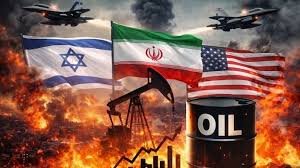
The ongoing conflict involving Iran and a United States-led coalition has become one of the most serious international crises in 2026, affecting both geopolitics and the global economy.
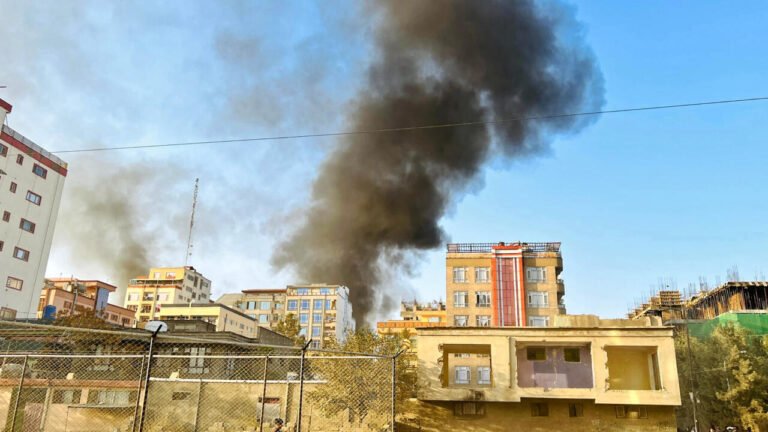
Recent reports suggest that Iran targeted an oil tanker near Dubai, raising major concerns over the safety of the Strait of Hormuz—a critical route through which a large portion of the world’s oil supply passes. This has triggered panic in global energy markets.
At the same time, the United States and its allies have intensified military operations against Iranian targets. In response, Iran has issued strong warnings of retaliation, increasing fears of a broader regional conflict.
Oil Prices & Economic Impact
Due to rising tensions, global oil prices have surged significantly, crossing $110 per barrel and showing one of the sharpest increases in recent years.
- Fuel prices are rising worldwide
- Inflation pressure is increasing
- Stock markets remain unstable and volatile
Countries heavily dependent on oil imports, including India, may face economic pressure if the situation continues to worsen.
Global Political Reactions
The conflict has also triggered strong international reactions:
- European nations are divided over supporting military actions
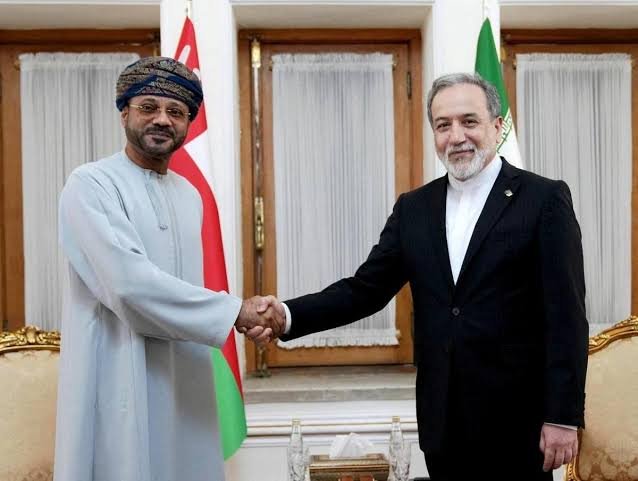
- China and Pakistan have called for peace talks
- Internal tensions within global alliances are increasing
This situation is not limited to the Middle East—it is affecting global diplomacy and international relations on a large scale.
Why This Matters
- Oil supply disruptions can impact economies worldwide
- Rising fuel prices may increase cost of living
- Risk of escalation into a larger global conflict
Experts warn that prolonged instability could lead to a major economic slowdown globally.
Conclusion
The Iran conflict is rapidly evolving into a global crisis, with serious implications for energy, economy, and international peace. While diplomatic efforts may still prevent escalation, the situation remains highly tense and unpredictable.
Also Read- Epstein Files Shake Global Elite: New Revelations Big Names and Rising Questions
About the Author