

US Warns of Most Intense Day of Strikes as Iran Vows to Continue Fighting todaynews360.in
Full Detailed News
The conflict between the United States, Israel, and Iran has entered a dangerous new phase. On 10 March 2026, U.S. Defense Secretary Pete Hegseth announced that the military would launch the most intense day of strikes yet against Iran as part of the ongoing campaign.
Speaking at the Pentagon, Hegseth said the operation would involve more fighter jets, bombers, and missile strikes than any previous day of the conflict. The aim is to weaken Iran’s military strength and destroy important facilities such as missile systems, drone factories, and naval bases.
⚔️ Massive Military Operation
According to U.S. military officials, the campaign has already targeted thousands of military locations inside Iran, including:
- Missile launch sites
- Drone production factories
- Military bases
- Naval vessels and ports
Several Iranian naval ships and strategic military facilities have reportedly been destroyed or badly damaged. U.S. officials claim these attacks have significantly reduced Iran’s ability to launch large-scale missile and drone attacks.
🇮🇷 Iran Refuses to Back Down
Despite the heavy bombardment, Iranian leaders say the country will not surrender and will continue fighting. Iran has reportedly launched missiles and drones toward Israeli positions and has threatened retaliation across the region.
Iranian officials have also warned that they could target key oil shipping routes in the Strait of Hormuz, one of the most important oil transport routes in the world. Any disruption there could push global oil prices sharply higher.
⚠️ Civilian Casualties and Humanitarian Concerns
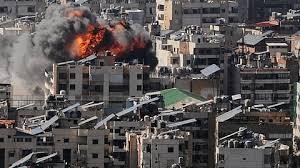
The ongoing airstrikes have raised serious humanitarian concerns. Reports indicate that some attacks have damaged civilian areas, including residential neighborhoods and public buildings. Many families have been forced to leave their homes as the fighting intensifies.
Human rights groups are calling for an immediate ceasefire and urging international organizations to step in to prevent further civilian casualties.
🌍 Global Impact
The war is already affecting the global economy and international politics:
- Oil prices are becoming unstable
- Global markets are reacting to the conflict
- Shipping routes in the Middle East are under threat
- Countries fear a wider regional war
Many world leaders are now pushing for diplomatic talks to stop the fighting before it turns into a much larger international conflict.
Also Read- Middle East Tensions Surge After Iran Launches Missile Strike on Israel
About the Author






1 thought on “US Warns of Most Intense Day of Strikes as Iran Vows to Continue Fighting”