
India Accelerates EV Adoption with New Battery Policy to Boost Clean Energy Goals todaynews.in
News Article (Long Format):
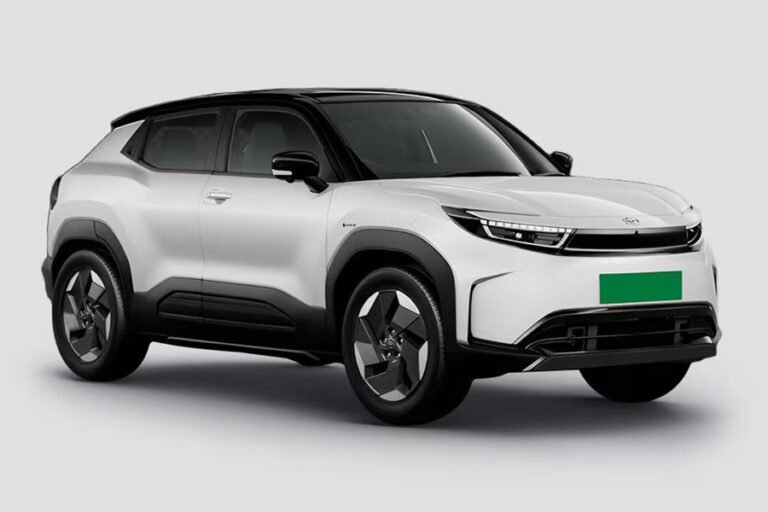
India has taken a major step toward strengthening its electric vehicle (EV) ecosystem by announcing a new battery manufacturing policy aimed at boosting domestic production and reducing reliance on imports. The initiative is expected to accelerate the country’s transition toward clean and sustainable transportation while creating thousands of new jobs.
Under the new policy framework, the government will offer financial incentives to companies setting up advanced battery production facilities within India. These incentives include tax benefits, subsidies on land acquisition, and faster environmental clearances. Experts believe this move will not only lower EV prices but also strengthen India’s position as a global manufacturing hub.
Currently, India imports a large share of lithium-ion batteries used in electric vehicles, mainly from China and South Korea. This dependence increases costs and impacts supply chain stability. With the new policy, domestic manufacturers are expected to scale up production of next-generation batteries with better safety, higher efficiency, and longer lifespan.
The policy also aligns with India’s broader climate objectives. The government has set ambitious targets to reduce carbon emissions and expand the use of renewable energy. The transportation sector accounts for a significant portion of pollution in urban areas, and electric mobility is seen as a key solution.
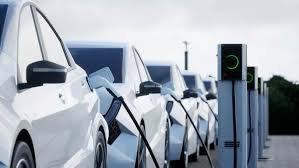
Industry leaders have welcomed the decision, calling it a “game changer” for the EV sector. Several automobile and energy companies have already expressed interest in investing in battery manufacturing plants across different states. Analysts predict that EV sales in India could grow rapidly over the next five years as infrastructure improves and costs fall.
However, challenges remain, including the supply of raw materials like lithium and cobalt, as well as the need for an efficient recycling system for used batteries. The government has assured that it is working on parallel policies to address these issues.
With this latest move, India appears determined to lead the clean mobility revolution while balancing economic growth and environmental responsibility.
Also Read- India Accelerates Green Energy Push with New ₹75,000 Crore Renewable Power Project
About the Author