

Global Oil Prices Surge Amid Middle East Supply Tensions todaynews360.in
Global Oil Prices Surge Amid Middle East Supply Tensions

Full Detailed News
Global oil prices have witnessed a sharp surge in recent days as escalating tensions in the Middle East threaten to disrupt critical energy supply routes. The region, which accounts for a significant portion of the world’s oil production and exports, has once again become a focal point of geopolitical uncertainty.
Brent crude prices climbed significantly, crossing key resistance levels, while U.S. West Texas Intermediate (WTI) also recorded notable gains. Analysts attribute this sudden rise to fears of supply disruptions, particularly around strategic chokepoints like the Strait of Hormuz — a narrow passage through which nearly one-fifth of global oil supply passes daily.
What Driving the Surge?
The latest spike in oil prices is being driven by multiple factors:
- Geopolitical Tensions: Rising conflicts and military activity in parts of the Middle East have increased the risk of supply interruptions.
- Supply Chain Concerns: Any disruption in shipping routes could delay oil deliveries globally.
- Market Speculation: Traders are reacting to uncertainty, pushing prices higher in anticipation of shortages.
- OPEC+ Strategy: Production decisions by major oil-producing nations are also influencing price movements.
uGlobal Impact
The impact of rising oil prices is already being felt across the world:
Inflation Pressure
Higher crude oil prices directly affect fuel costs, leading to increased transportation expenses. This often results in a rise in the prices of essential goods, pushing inflation upward in both developed and developing economies.
Fuel Prices Rising
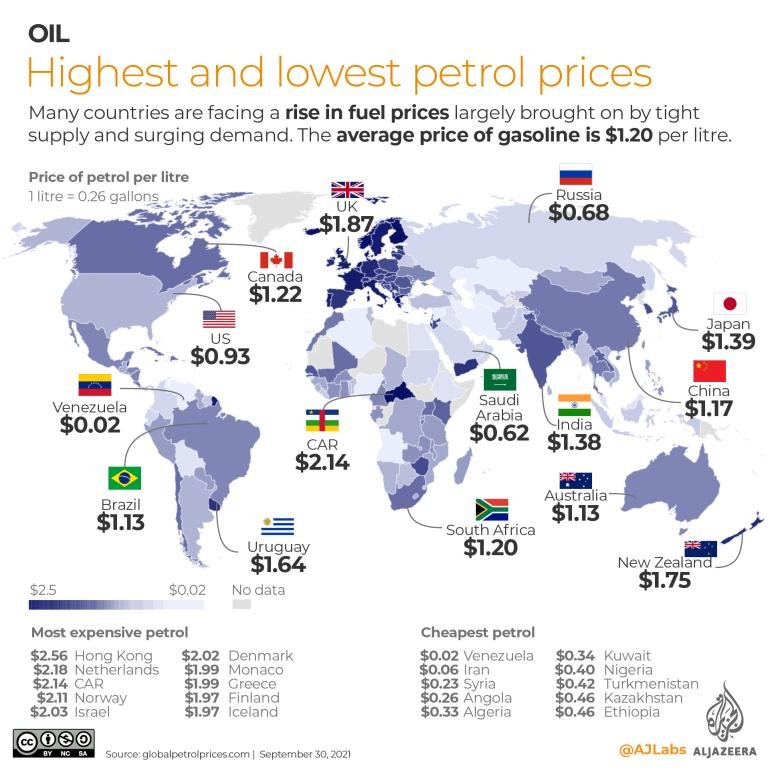
Countries heavily dependent on oil imports, such as India, are likely to see a spike in petrol and diesel prices. This can strain household budgets and increase operational costs for businesses.
Economic Growth Concerns
Economists warn that prolonged high oil prices could slow down global economic growth. Industries such as aviation, logistics, and manufacturing are particularly vulnerable.
🇮🇳 Impact on India
India, being one of the largest oil importers, is especially sensitive to global oil price fluctuations. A sustained increase in crude oil prices can:
- Widen the current account deficit
- Increase inflationary pressure
- Put stress on the Indian rupee
- Force the government to reconsider fuel tax policies
Experts suggest that the government may need to balance between protecting consumers and maintaining fiscal stability.
What Happens Next?
Market experts believe that oil prices will remain volatile in the coming weeks. Much depends on how geopolitical tensions evolve and whether diplomatic efforts succeed in stabilizing the region.
At the same time, countries are accelerating efforts to reduce dependence on oil by investing in renewable energy sources and electric vehicles. However, in the short term, the global economy remains highly dependent on oil, making such price shocks unavoidable.
Conclusion
The surge in global oil prices highlights the fragile nature of energy markets and their deep connection to geopolitical events. As tensions continue to rise in the Middle East, the world faces a period of uncertainty that could impact everything from fuel prices to overall economic stability.
Also Read- New Ceasefire Talks Begin as Russia Ukraine War Continues
About the Author